Understanding the Importance of Filler Material Selection
When it comes to welding, choosing the right filler materials is crucial. The filler material acts as a bridge between two pieces of metal, ensuring they fuse together correctly. Selecting the correct type can affect the strength, durability, and overall quality of the weld. Understanding various types of fillers and their applications can make a significant difference in your projects.
The Benefits of Using Proper Filler Materials
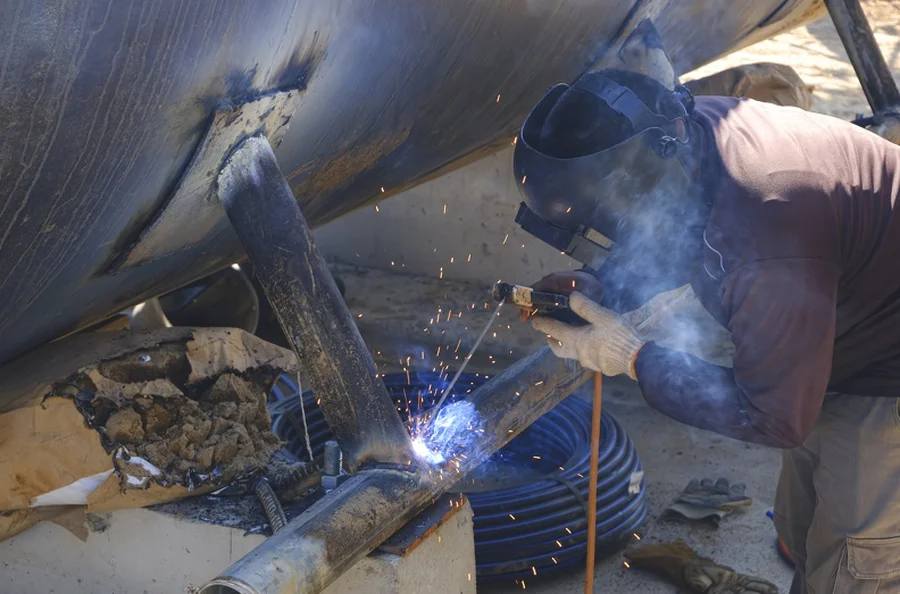
Using the right filler material offers several benefits. Firstly, it ensures strong bonds between metals, preventing weak points that could lead to structural failure. Secondly, specific fillers can improve corrosion resistance, which is essential for metals exposed to harsh environments. Finally, selecting the appropriate filler can enhance the aesthetic appearance of the finished product, reducing the need for post-weld processing.
Common Challenges When Choosing Filler Materials
Selecting filler materials for metal welding presents several challenges. One common issue is compatibility; the filler must match the base metals’ properties to avoid cracks or weak joints. Another challenge is cost. High-quality fillers often come with higher price tags, but they offer better long-term performance. Additionally, availability can be a problem, especially for specialized filler materials. It’s important to evaluate all these factors before making a choice.
Solutions for Selecting the Right Filler Materials
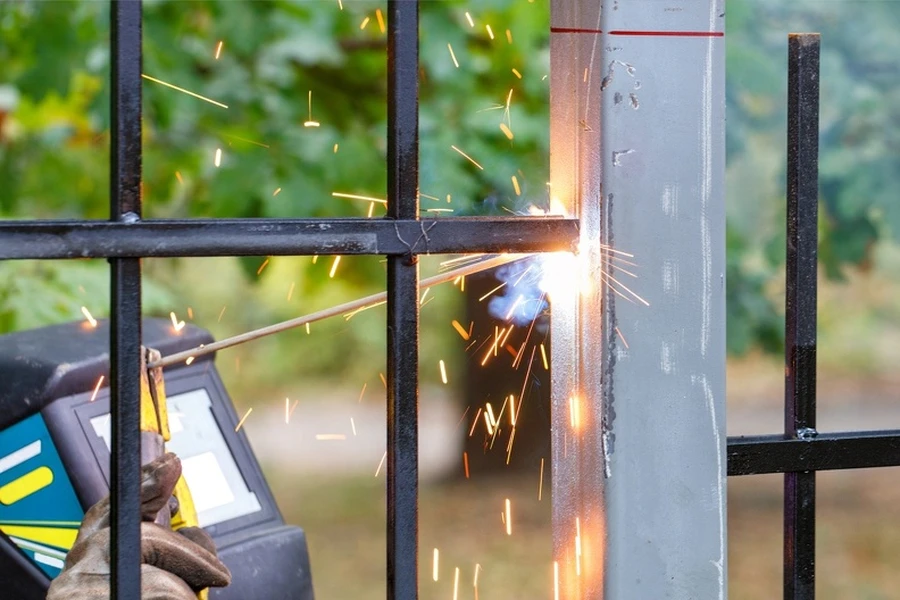
To choose the right filler materials, you should start by understanding the properties of your base metals. Research different types of fillers and their characteristics. Consulting with industry experts can provide valuable insights into which materials perform best under specific conditions. Always consider testing a small sample before committing to large-scale applications.
Best Practices With Filler Material Use
Employing best practices when using filler materials can significantly impact your project’s success. Here are some tips:
- Ensure proper storage: Keep filler materials dry and free from contaminants.
- Maintain cleanliness: Clean both the base metals and the filler rods or wires before use.
- Match fillers to base metal composition: Similar compositions reduce potential issues during welding.
Industry Standards With Filler Materials
Adhering to industry standards is vital when working with filler materials in metal welding. Organizations like the American Welding Society (AWS) provide guidelines on choosing and using fillers based on metal type and application. Following these standards helps ensure safety, quality, and reliability in welded products.
Cost Considerations When Selecting Filler Materials
The cost of filler materials varies depending on factors such as type, quality, and brand. While cheaper options might seem appealing, investing in high-quality fillers often results in fewer defects and reduced rework costs. Evaluate your budget alongside project requirements to find a balance between cost and quality.
Final Recommendations for Successful Projects
For a successful outcome in welding projects, prioritize using appropriate filler materials. They contribute significantly to the overall integrity and longevity of your welds. By following best practices and adhering to industry standards, you can achieve excellent results. Contact Aguilar Moran Weldings LLC at (512) 760-2179 for expert advice on selecting and using filler materials. Based in Austin, TX, our team is ready to support your next project.